

Why Chronic Wounds Won’t Heal and How Advanced Care Can Change the Outcome
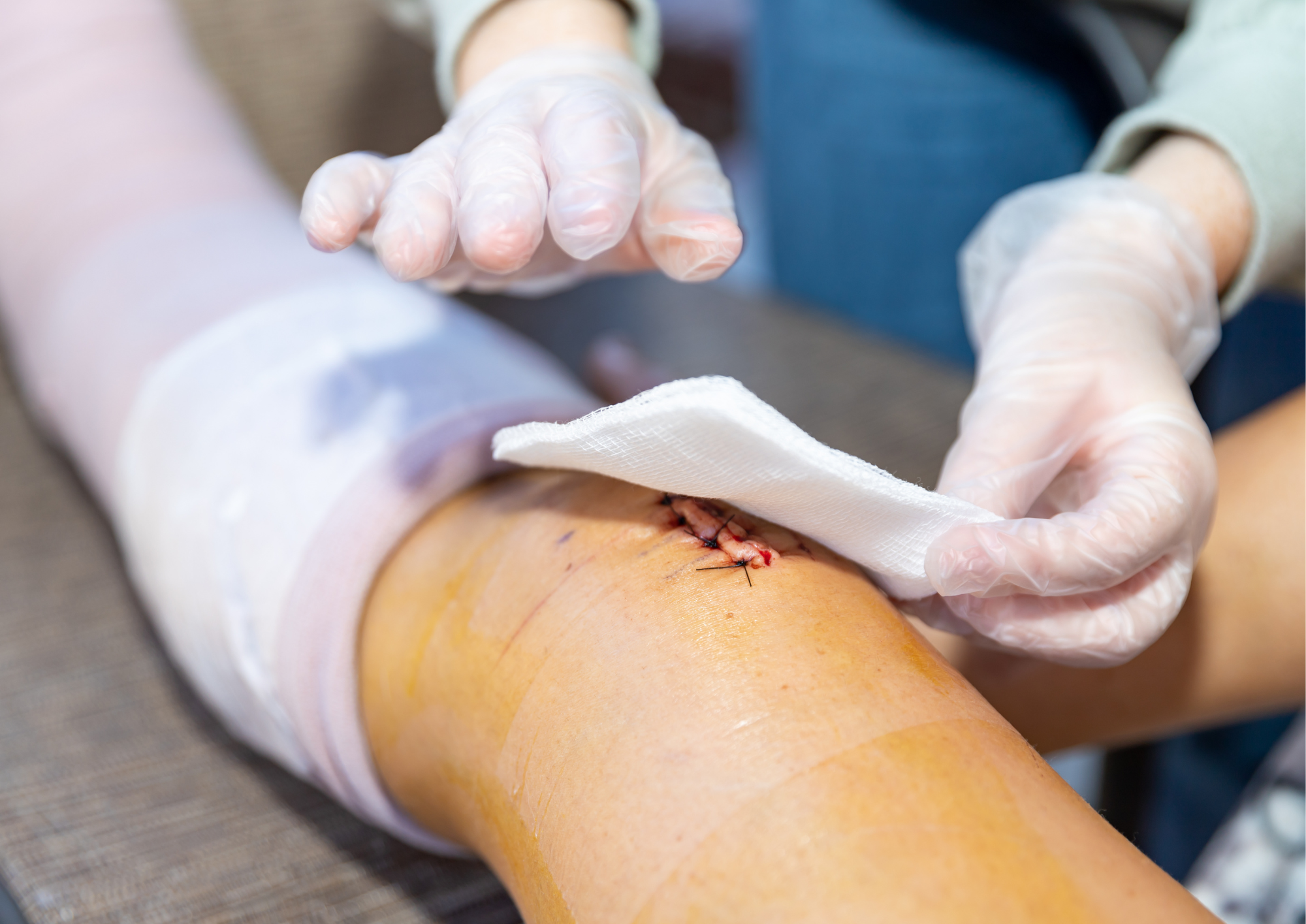
For most people, a minor cut or scrape is a temporary inconvenience. The body’s natural healing cascade kicks in, a scab forms, and within a week or two, new skin takes its place.
But for millions of individuals living with chronic conditions, that normal healing process stalls. When a wound fails to progress through the orderly phases of healing within four weeks, it is classified as a chronic wound (Järbrink et al., 2016).
Leaving these wounds untreated or relying solely on standard bandages isn't just frustrating — it can lead to severe, life-altering complications, including severe infections or even amputation. At Vertex Wound Specialists, we look beyond the surface of the wound to fix the underlying biological roadblocks preventing your recovery.
The Hidden Roadblocks to Healing
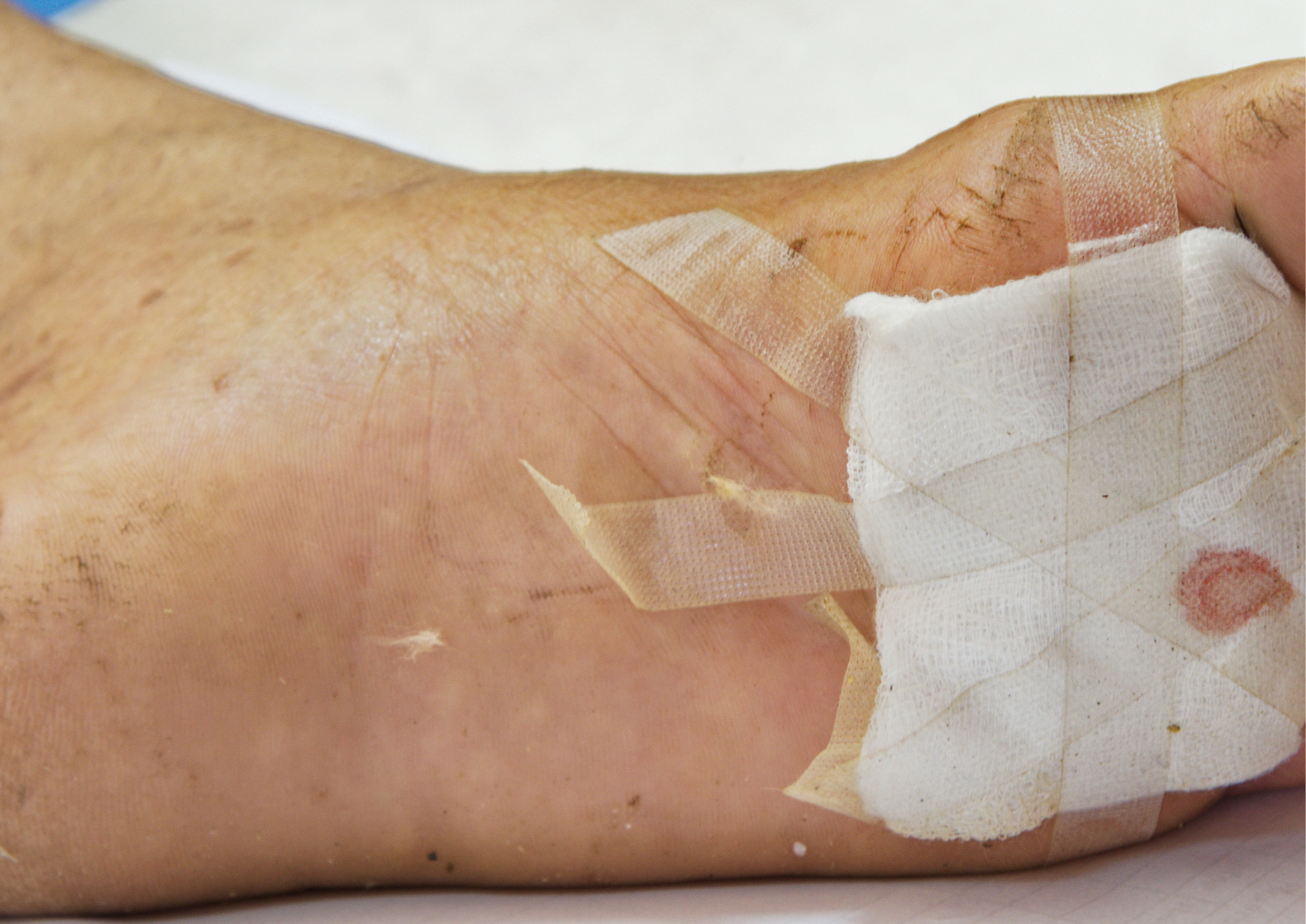
To understand why a wound becomes chronic, it helps to understand what is happening at the microscopic level. True healing requires adequate blood flow, the right balance of moisture, and a controlled immune response. Chronic wounds typically stall due to three major factors:
1. Poor Tissue Oxygenation (Ischemia)
Your blood carries the essential oxygen and nutrients required for cellular repair and tissue regeneration. Conditions like Peripheral Artery Disease (PAD), chronic venous insufficiency, and diabetes severely compromise blood circulation. Without a steady supply of oxygenated blood, the local cells simply lack the energy required to rebuild healthy tissue (Sen, 2019).
2. The Biofilm Barrier
Up to 80% of chronic wounds develop a microscopic shield known as a biofilm (Malone et al., 2017). This is a complex community of bacteria that glues itself to the wound bed. Standard topical antibiotics and routine washing cannot penetrate a mature biofilm. This keeps the wound in a permanent state of inflammation, tricking the body into attacking itself rather than repairing the tissue.
3. Uncontrolled Chronic Inflammation
In a healthy wound, inflammation is a brief phase designed to clear out damaged cells. In chronic wounds, highly elevated levels of specific enzymes—known as Matrix Metalloproteinases, break down the foundational scaffolding (the extracellular matrix) that new skin cells need to climb across and close the wound (Dissemond et al., 2020).
The Vertex Difference: Moving Beyond the Bandage
Standard wound care often stops at cleaning the surface and applying a basic dressing. At Vertex Wound Specialists, our advanced clinical approaches are designed to systematically dismantle these barriers:
Precision Biofilm Management: We utilize specialized, precise debridement techniques and advanced antimicrobial therapies to disrupt stubborn bacterial biofilms, effectively "resetting" the wound environment into a healthy healing state.
Advanced Cellular Therapies:When the body's natural matrix is destroyed, we can implement smart dressings and cellular tissue products that mimic healthy skin frameworks, signaling your body to accelerate tissue growth.
Targeted Compression and Offloading: For venous leg ulcers or diabetic foot ulcers, reducing physical pressure and managing swelling is non-negotiable. Our customized compression protocols restore healthy fluid dynamics to get blood moving where it matters most.
Don't Wait for a Minor Issue to Become a Major Crisis
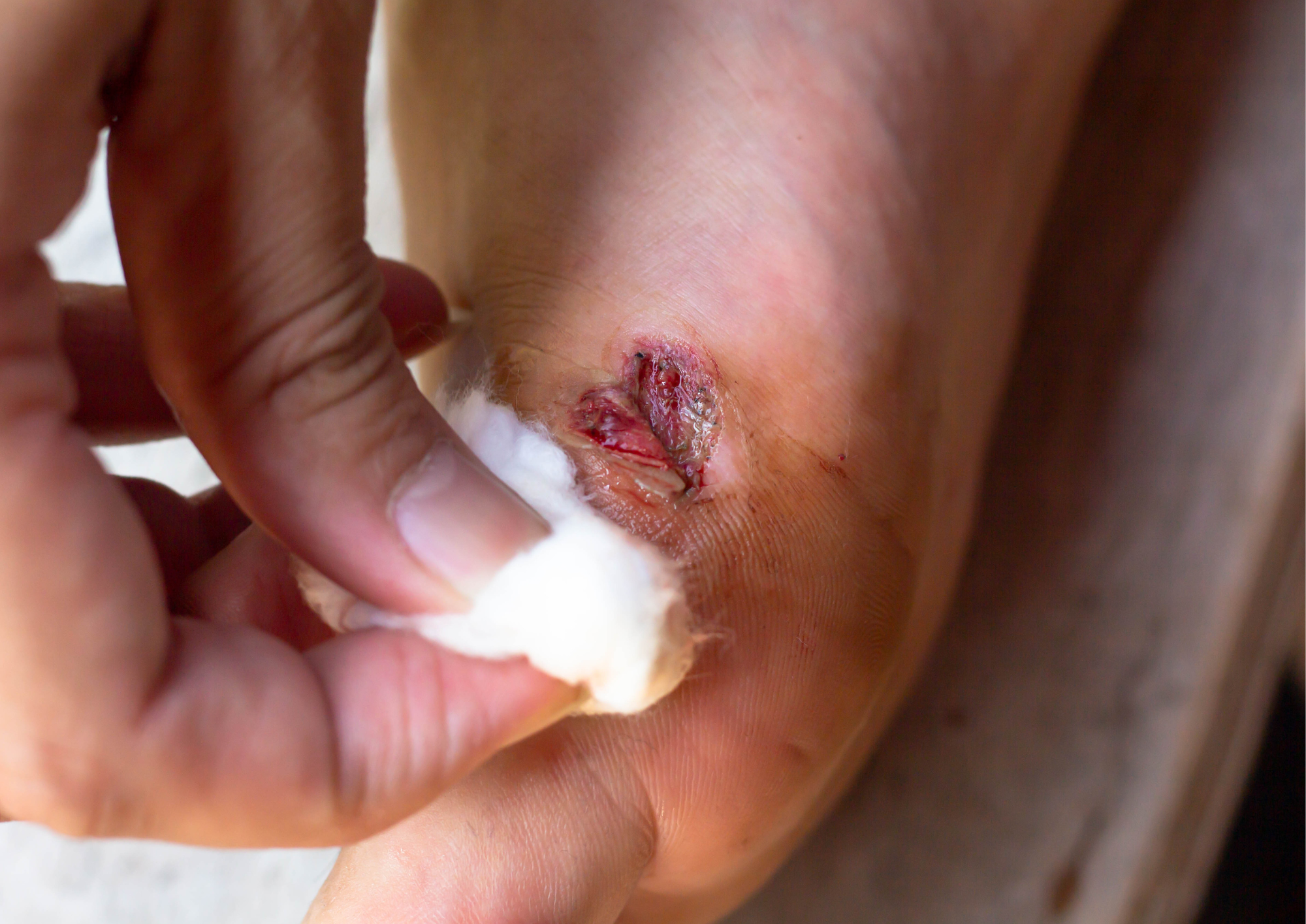
If you or a loved one has a wound that hasn't shown significant healing in over a month, standard home remedies are no longer enough. Chronic wounds require specialized, targeted clinical intervention.
Vertex Wound Specialists provides the comprehensive diagnostics, cutting-edge therapies, and dedicated expert care required to close your wound and restore your quality of life.
Contact us today to schedule an expert clinical consultation and take your first definitive step toward complete healing.

Clinical References
Dissemond, J., et al. (2020). Evidence-based local wound care for chronic wounds. Journal of the German Society of Dermatology, 18(11), 1285-1299.
Järbrink, K., et al. (2016). The humanistic and economic burden of chronic wounds: a systematic review. Systematic Reviews, 5(1), 147.
Malone, M., et al. (2017). The prevalence of biofilms in chronic wounds: a systematic review and meta-analysis of published data. Journal of Wound Care, 26(1), 20-25.
Sen, C. K. (2019). Human wounds and its burden: an updated compendium of estimates. Advances in Wound Care, 8(2), 39-48.
