

Beyond the Surface: Why Some Wounds Wear a Mask (And How to Heal Them)
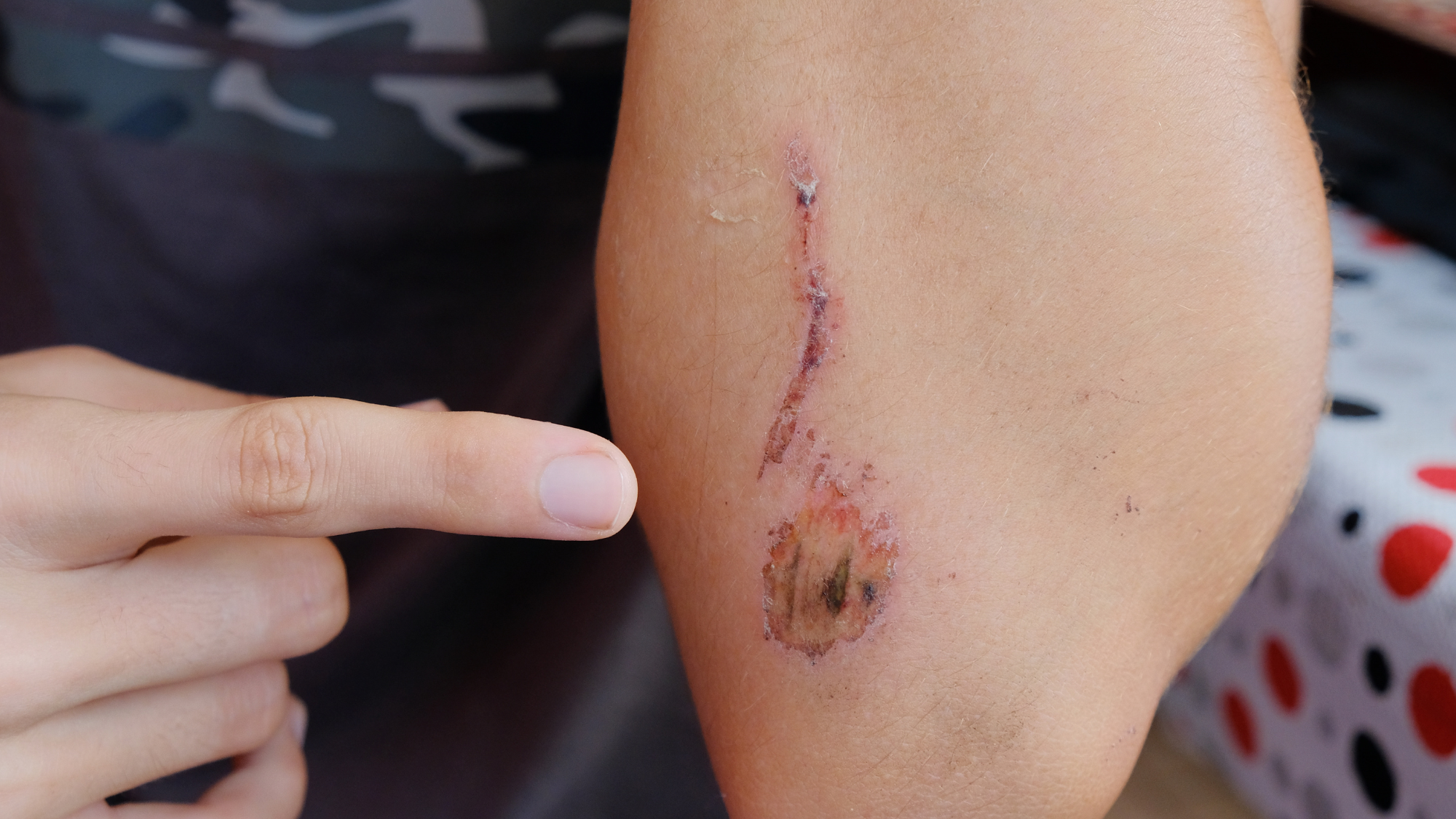
When we think of a chronic wound, we usually think of the standard culprits: a diabetic foot ulcer, a pressure injury from bed rest, or poor circulation in the legs (venous stasis). These are the textbook cases.
But what happens when a wound doesn't fit the mold?
At Vertex Wound Specialists, we frequently encounter what we call "Chameleon Wounds"—atypical ulcers that mask themselves as ordinary injuries but are actually driven by rare underlying systemic conditions, autoimmune responses, or microscopic cellular traps.
If you or a loved one has a wound that has refused to heal for more than four weeks despite "doing everything right," it’s time to look beneath the surface. Here is the science behind why some wounds wear a mask, and how advanced medicine uncovers the truth.
1. The Mask of the "Atypical" Ulcer
Not all wounds are created equal. Up to 10% of chronic wounds are classified as atypical, meaning they aren't caused by pressure or standard diabetes complications. Instead, they can be triggered by:
Autoimmune & Inflammatory Conditions: Diseases like Pyoderma Gangrenosum or vasculitis cause the body's immune system to mistakenly attack healthy skin tissue, creating painful, rapidly spreading ulcers.
Malignancies: Sometimes, a non-healing wound can actually mask skin cancer cells trying to masquerade as an everyday scrape.
Genetic or Hematological Conditions: Microscopic blood disorders can cut off oxygen to the skin at a microscopic level.
The Vertex Wound Specialists Difference: Standard treatments like simple bandages or generic salves won't work on a chameleon wound because they only treat the surface. Healing requires a team that digs deeper, utilizing specialized biopsies, vascular mapping, and systemic labs to identify the exact root cause.
2. The Invisible Fortress: The Biofilm Matrix
Even if the root cause of a wound is diagnosed, there is another hidden mastermind that stops healing in its tracks: The Biofilm Matrix.
When bacteria enter a wound, they don't just sit there. Within hours, they band together and secrete a slimy, protective shield made of sugars and proteins (an extracellular polymeric substance). This shield acts like a microscopic medieval fortress.
Inside this fortress, bacteria are up to 1,000 times more resistant to standard antibiotics and your body's natural immune cells. The wound might look relatively clean to the naked eye, but underneath, the biofilm is actively stalling cellular growth and keeping the tissue in a state of perpetual, aggressive inflammation.
3. Demolishing the Fortress: Advanced Wound Interventions
Overcoming a masked, biofilm-protected wound requires moving past basic first aid and deploying advanced biological warfare. At Vertex Wound Specialists, our protocols are designed to aggressively shatter these microscopic barriers through a multi-step targeted approach:
Precision Debridement: This isn't just cleaning a wound; it is the meticulous, physical removal of the biofilm fortress to force the bacteria back into a vulnerable, free-floating state.
Advanced Matrix Therapies: Once the barrier is down, we implement specialized cellular matrices and collagen dressings that act like a scaffold, inviting healthy new skin cells to rebuild the area.
Targeted Topicals & Biofilm Disrupters: We utilize cutting-edge, anti-biofilm agents specifically engineered to prevent the microscopic fortress from rebuilding itself between treatments.
Don't Let a Wound Hold You Back
A chronic wound is exhausting, but you don't have to guess your way through the healing process. If a wound has been stalled for a month or more, it is sending you a message: there is a hidden barrier at play.

At Vertex Wound Specialists, we specialize in unmasking the complex, treating the invisible, and restoring your quality of life. Let our dedicated clinical team build a personalized, advanced roadmap to get you back on your feet.
Ready for answers? Contact Vertex Wound Specialists today to schedule your comprehensive diagnostic evaluation. Let’s heal it right, from the inside out.

References
Bjarnsholt, T., Eberlein, T., Malone, M., & Schultz, G. (2017). Management of wound biofilm: Made easy. Wounds International, 8(2), 1-6.
Shanmugam, V. K., Angra, D., & Shara, N. M. (2017). Immunosuppressive therapy for atypical wounds: A review of the literature. International Wound Journal, 14(6), 1125–1134. https://doi.org/10.1111/iwj.12771
Tibbles, P. M., & Edelsberg, J. S. (1996). Hyperbaric-oxygen therapy. New England Journal of Medicine, 334(25), 1642-1648. https://doi.org/10.1056/NEJM199606203342506
