

Post-Surgical Wounds
Surgical wounds that fail to close or reopen after surgery require specialized wound care to prevent infection and support healing in the home environment.
What Is It?
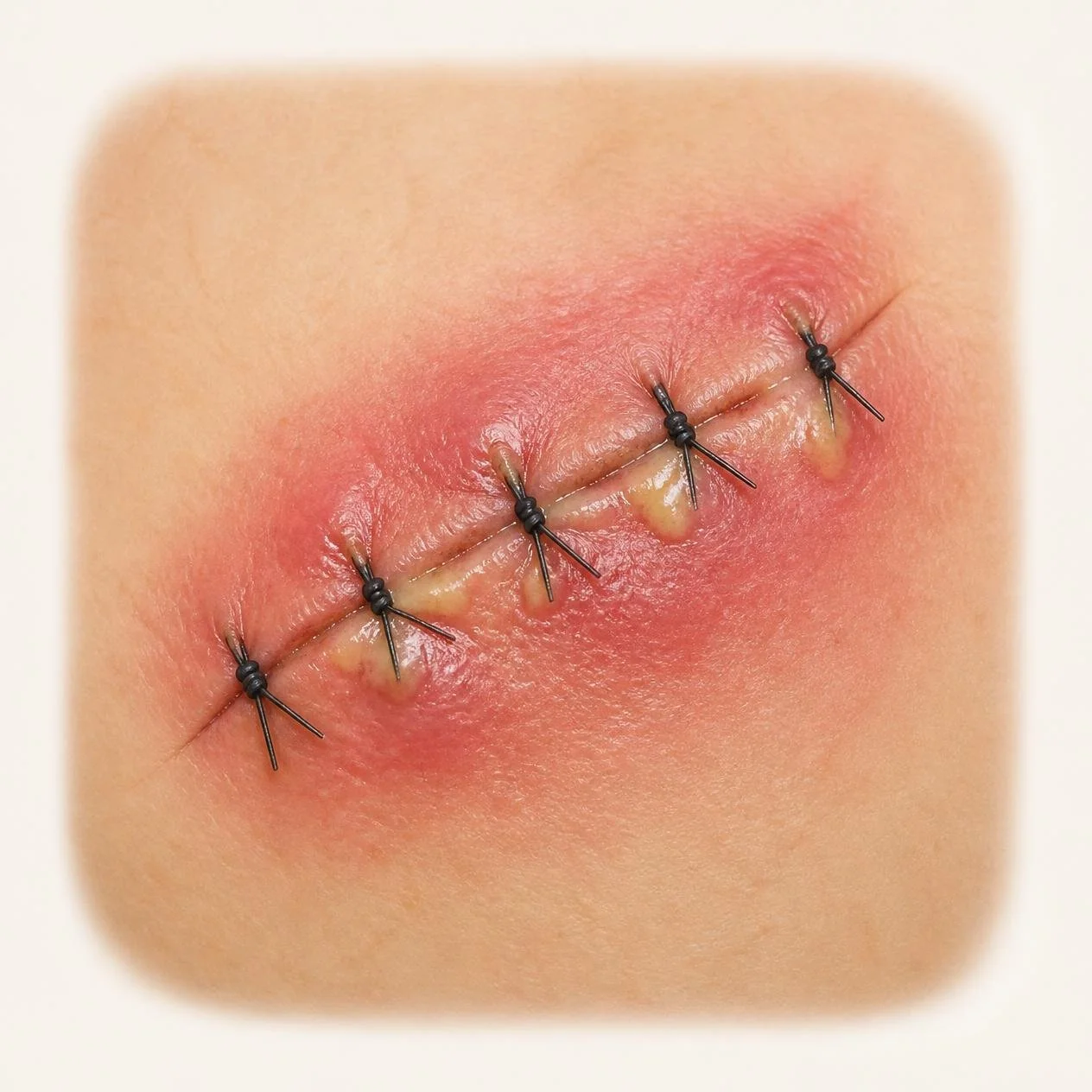
Post-surgical wound complications include dehiscence (reopening of a surgical incision), delayed healing, seroma, hematoma, and surgical site infection (SSI). These wounds are increasingly managed in the home setting as patients are discharged earlier. Without expert wound care, complications can escalate rapidly.
Signs & Symptoms to Look For
Wound edges that have separated or failed to approximate
Drainage from a surgical site beyond the expected post-operative period
Signs of infection — erythema, warmth, purulent drainage, fever
Wound that is not progressing toward closure at an expected rate
Exposed sutures, staples, or underlying tissue
Patient reports increasing pain at the surgical site
Risk Factors
Diabetes and poor glycemic control
Obesity
Malnutrition or low protein/albumin
Immunosuppression or steroid use
Smoking history
Poor surgical site hygiene or tension on wound closure
How Vertex Treats This Wound
Wound bed preparation and debridement of non-viable tissue
Advanced wound dressings tailored to wound depth and drainage
Monitoring for and reporting of signs of surgical site infection
Communication with the surgeon and primary care team
UltraMist therapy for stalled post-surgical wounds
Patient and caregiver education on wound care between visits
The Vertex Approach
Vertex clinicians provide the bridge between hospital discharge and full healing for patients with complex post-surgical wounds. We bring the expertise of an advanced wound care specialist directly to the patient's home, reducing readmission risk and accelerating recovery.