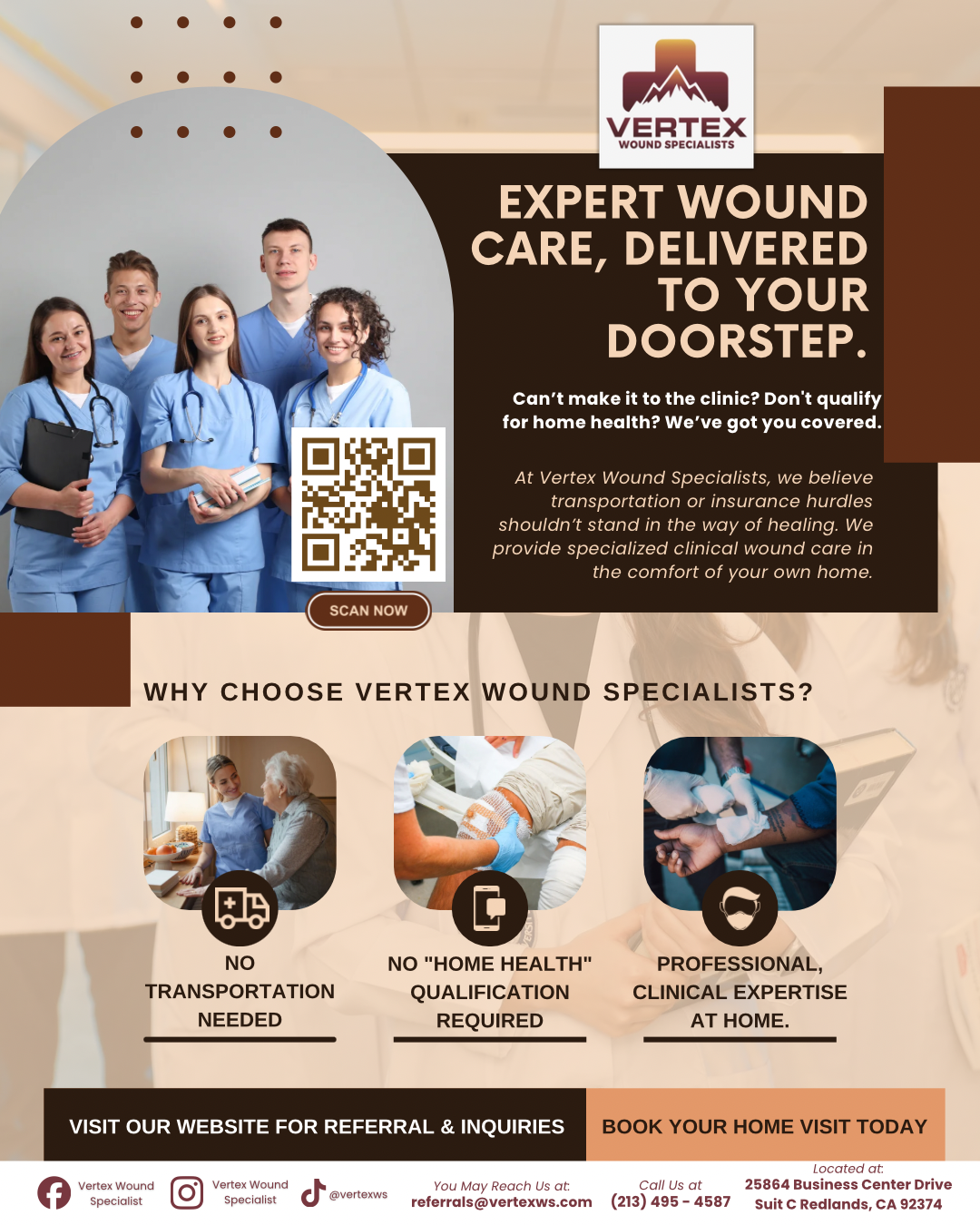
Moving the Clinic to the Couch: The Rise of Mobile Wound Care

Chronic wounds like diabetic ulcers, venous leg sores, and slow-healing surgical incisions require frequent, meticulous attention. When patients switch from a brick-and-mortar hospital clinic to a mobile wound care specialist, they usually discover that the "convenience" factor is only the tip of the iceberg.
Why You Should See a Mobile Wound Care Specialist
For many vulnerable patients particularly older adults, post-surgical patients, or those with limited mobility leaving the house is a major physical and logistical barrier.
Zero Travel Fatigue: Traveling with a painful wound on your foot or leg is physically exhausting. Mobile units eliminate the exhausting logistics of medical transport, parking, and long waiting room times.
Drastically Lowered Infection Risks: Hospital outpatient centers are hubs for germs, viruses, and antibiotic-resistant bacteria. For someone with a compromised immune system or an open wound, staying out of a public clinic removes exposure to hospital-acquired infections.
Real-World Environmental Assessments: When a specialist steps into a patient's home, they can evaluate the environment. They see the height of the bed (for pressure sore management), check if the patient can safely navigate to the bathroom, and can even peek into the refrigerator to assess nutrition which is a massive driver of tissue regeneration.
Why You Should Switch From a Traditional Clinic
If a patient is already attending a traditional wound care center, why make the switch to a mobile provider?
Data shows that mobile wound management models often achieve shorter overall healing times, with some tracking recovery rates up to twice as fast as traditional outpatient clinics. The reasons boil down to consistency and advanced capability:
Traditional Outpatient Clinic:
Frequent No-Shows: Missed appointments due to transit issues, bad weather, or caregiver exhaustion cause wounds to rapidly regress.
Varying Providers: Patients often see whichever rotating doctor or nurse is on shift that day, disrupting continuity.
High Overhead Costs: Clinic visits often carry high facility co-pays, alongside personal costs for fuel, parking, or specialized transit.
Advanced Mobile Wound Care Specialists:
Flawless Compliance: Because the provider knocks on the door, patients rarely miss a treatment, keeping the healing trajectory steady.
One-on-One Dedication: Patients typically get a consistent, dedicated care team that gets to know the exact behavior of their wound.
Lower Financial Burden: Most mobile wound care is covered directly under standard insurance (like Medicare Part B) as medically necessary, with zero transit costs.
"But Can They Do Real Procedures at Home?"
This is the most common hesitation, and the answer is an absolute yes. Modern mobile wound care teams don't just apply over-the-counter bandages. They bring advanced, clinical-grade technology right to the bedside:
Precision Debridement: Safely scraping away dead or infected tissue to jumpstart healthy cell growth.
Cellular Biologics: Applying bioengineered skin substitutes and advanced collagen matrices to stubborn ulcer beds.
Negative Pressure Wound Therapy (Wound Vacs): Setting up and managing sub-atmospheric pressure pumps to pull edges together and increase localized blood flow.
Switching to a mobile wound specialist takes the friction out of healthcare. By removing the stress of the journey, patients stay compliant with their treatment plans, caregivers get a massive reprieve, and complex wounds heal in a fraction of the time.