5 Common Wound Care Mistakes That Delay Healing and How to Avoid Them.
Proper wound care plays a pivotal role in healing outcomes.
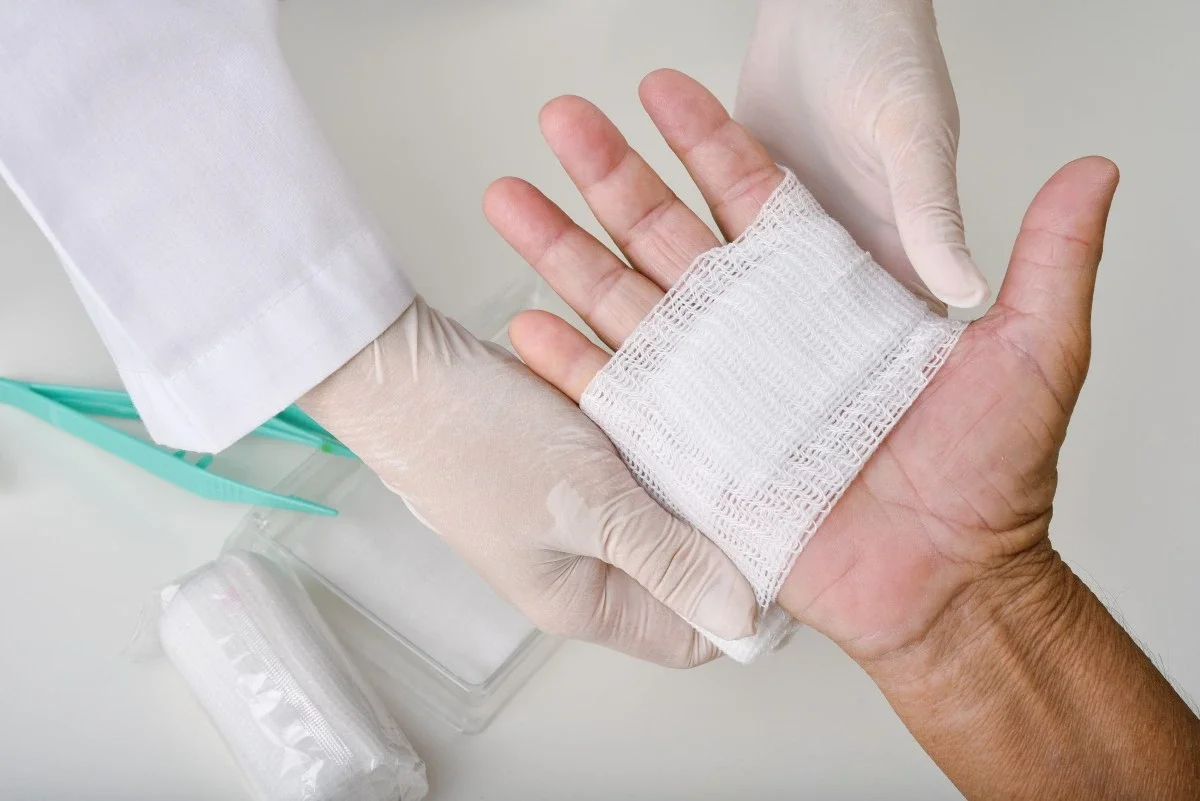
Whether it’s a surgical incision, diabetic ulcer, pressure sore, or everyday cut, the way a wound is treated can mean the difference between quick recovery and prolonged complications. Unfortunately, many people unintentionally slow healing by following outdated advice or making simple errors. In this guide, we explore the five most common wound care mistakes and provide practical steps to avoid them.
Harsh Antiseptics Harm Healthy Tissue.
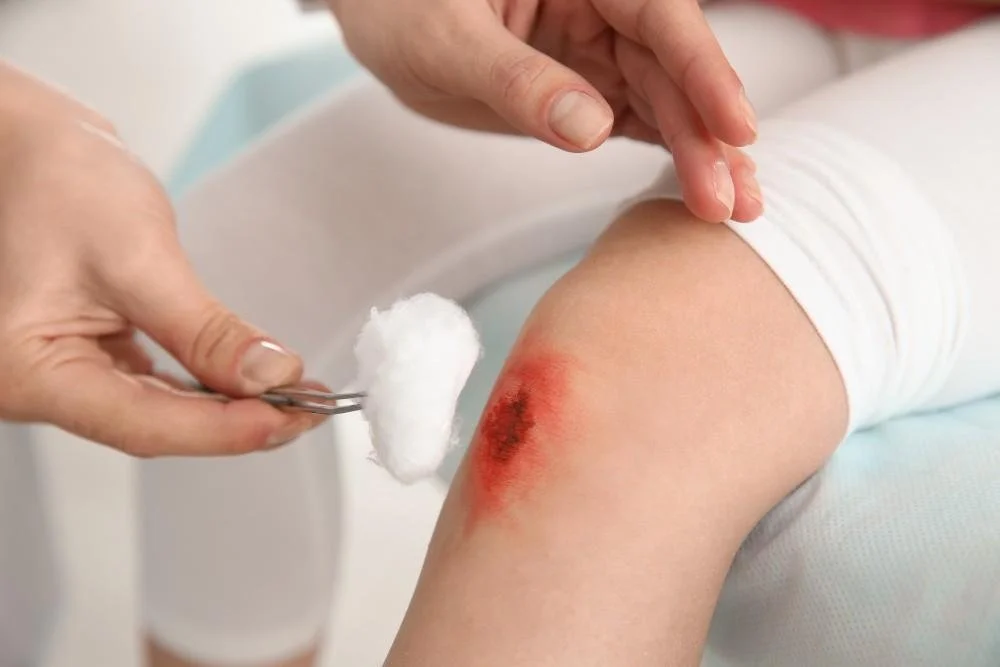
Many people think stronger disinfectants lead to faster healing, but the opposite is often true. Agents like hydrogen peroxide, alcohol, and undiluted iodine can destroy not just bacteria, but also living cells essential for healing. This action delays recovery and may increase scarring.
Best Practice:
Gently irrigate with sterile saline solution or a wound‑specific cleanser.
Use antiseptics formulated for wound care only if directed by a clinician.
2. Wounds Heal Faster When Covered, Not Exposed.
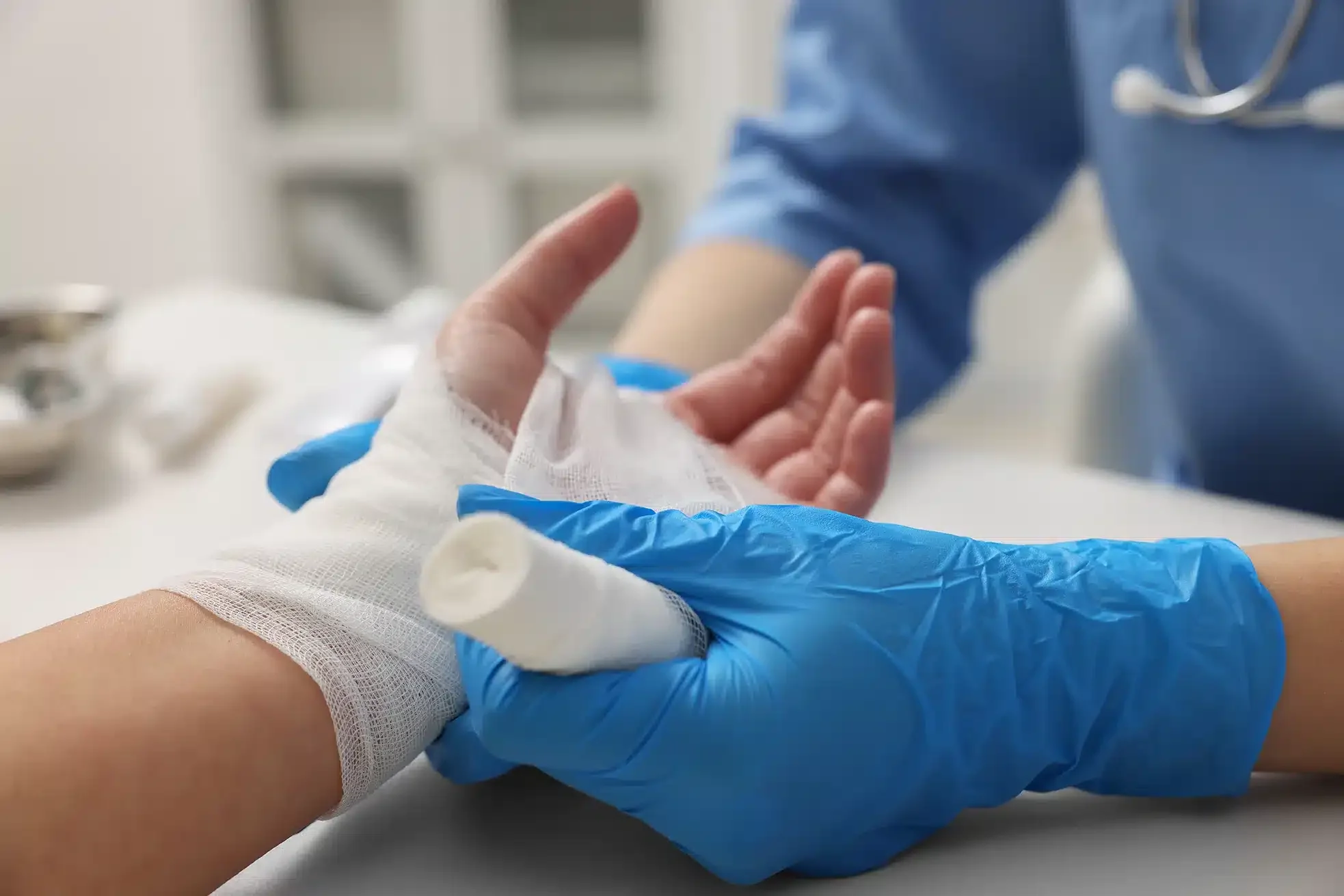
The old “let air get in there” belief still circulates, but evidence supports keeping wounds moist and protected to speed healing and reduce scarring. A moist environment promotes cell migration and more efficient tissue rebuilding.
Tips for better coverage:
Choose dressings appropriate to the wound type and amount of drainage (e.g., hydrocolloid, foam, alginate).
Replace dressings as recommended rather than leaving wounds exposed.
3. Dressing Changes: Timing and Technique Matter.
Dressings are protective, but incorrect changes can disrupt healing. Too frequent changes disturb delicate new tissue; too infrequent changes allow bacterial growth and fluid buildup. Non‑sterile technique increases infection risk.
Correct Approach:
Follow the frequency your clinician prescribes.
Always wash hands and use sterile materials.
Clean the wound site gently during changes and inspect for signs of infection.
4. Ignoring Early Signs of Infection or Complication.
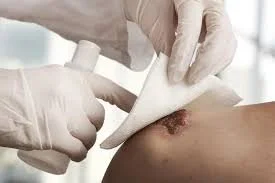
Not all redness or swelling is normal. Delayed recognition of infection can lead to serious complications, including deeper tissue involvement and systemic symptoms.
Signs to watch for:
Increasing pain or swelling
Warmth around the wound
Foul odor or yellow/green discharge
Fever or feeling unwell
If these occur, seek prompt evaluation from a wound care professional. Early intervention reduces the risk of spread and supports healing.
5. Systemic Factors Can Slow Healing Don’t Overlook Them

Wound healing isn’t just local , the body’s internal state matters. Nutrition, hydration, immunity, and underlying medical conditions all influence recovery.
Key influences:
Nutrition: Adequate protein, vitamins (especially C and A), and zinc support tissue repair.
Hydration:Proper fluid balance supports circulation and cell function.
Chronic conditions: Diabetes and poor circulation slow healing significantly.
Lifestyle: Smoking and excessive alcohol impair immune response and blood flow.